
Odour control systems built for Australia
OdourPro provides industrial odour control systems that neutralise foul smells, improve air quality, and support compliance across Australia's waste, landfill, and water treatment facilities.
Over 25 years of odour control expertise
ISO 9001, 14001, and 45001 certified
Australia-wide service
Common odour problems we help you solve
CleanaWater’s odour team will help you identify the source of your odours and recommend the best treatment for the underlying causes. If they cannot be treated, we will extract the odours so they are over 99.9% captured from the site. If your sites are unable to meet these conditions, we offer the best available diffuse odour source management systems in Australia.
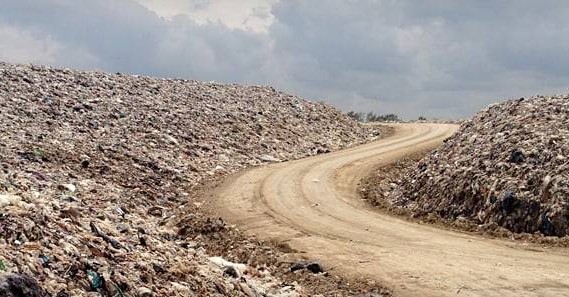
Landfill odours
Landfill odours, due to their diffuse nature, have historically been tough to manage. Our systems have been designed to address this very issue and are currently the best available option for this purpose.
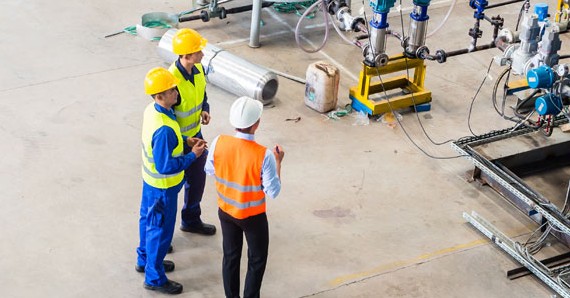
Manufacturing and production odours
Neutralise odours from production lines, exhaust vents, and spill zones. Our industrial odour control solutions enhance air quality, promote staff comfort, and ensure manufacturing processes remain compliant and efficient.
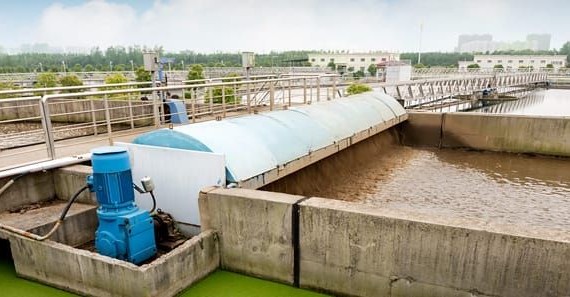
Waste collection and transfer facility odours
Control odours released during vehicle movement, storage, and sorting. CleanaWater uses automatic vapour and misting systems to neutralise odours at bay doors, hoppers, and roof vents. We also offer instant contact deodorisers that provide instantaneous relief when receiving unexpectedly odorous loads, which are likely to generate odour complaints.
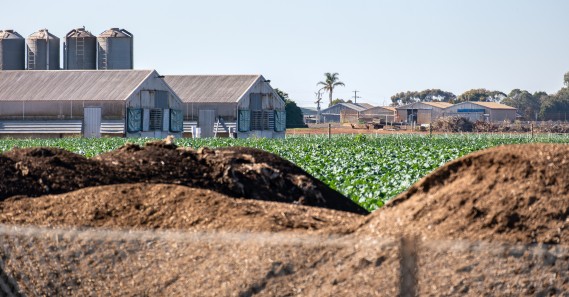
Agricultural odours
Minimise odours from barns, effluent ponds, and composting areas as conditions shift with temperature and wind. Our surface treatment, perimeter systems and effluent treatments clean the air around farms and neighbouring communities.

Mine site odours
Manage odours from water treatment plants, hoppers, and stockpiles. CleanaWater’s automated systems are built for remote sites, reducing emissions and maintaining air quality in challenging mining environments.

Odour nuisance and boundary complaints
Prevent nuisance breaches with precise boundary monitoring and responsive treatment. Our integrated odour control units and monitoring systems help you demonstrate compliance and close regulator investigations faster.
Clients we’ve worked with












How to recognise odour issues and when to take action
Odour complaints are early warnings of a compliance risk. CleanaWater helps Australian facilities identify signs, understand potential penalties, and take action before issues escalate or affect their environmental licence.
Common signs of an odour issue
Complaints
-
Neighbour or employee complaints logged across multiple days or wind directions.
-
Noticeable odour at or beyond the site boundary.
-
EPA or council letter requesting odour information or action.
-
WHS feedback regarding staff discomfort due to odour exposure.

Penalties for odour non-compliance
1st offence
$15,000 for individuals
$30,000 for corporations
2nd offence
$22,500 for individuals
$45,000 for corporations
3rd offence
A regulator may issue a stop-work notice.

When to act
-
When receiving an EPA or council notice.
-
When odour is detected at boundary lines.
-
When multiple complaints occur across directions.
-
When internal WHS reports note concerns about air quality.
If you notice odours coming from the site, contact us now. There are likely cost-beneficial steps you can take right now, and you can always be aware of the options you have if something happens in the future and you need them in a hurry.
Received an odour notice from your local council? Get ahead of complaints and protect your business.
Odour control technologies for every environment
From vapour and surface treatment systems to carbon filters, our products eliminate odours at their source and ensure long-term compliance.
Surface treatment/contact deodorisers
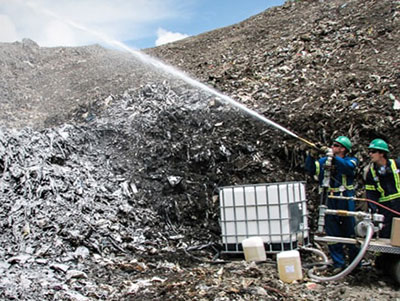
Surface treatments neutralise odours where organic matter breaks down, on floors, bins, and processing surfaces. Our biodegradable foaming deodorisers, such as the Bektra BIO-KEY 830F, deliver rapid odour relief and prevent re-emission. They can also be used on any surface, wet or dry.
-
Neutralises odours on contact
-
Non-toxic, biodegradable formula that contains a nutrient and microbial blend that promotes good bacteria growth, preventing the generation of harmful odorous gases
-
Ideal for waste and agricultural sites
-
Reduces cleaning time and odour risk
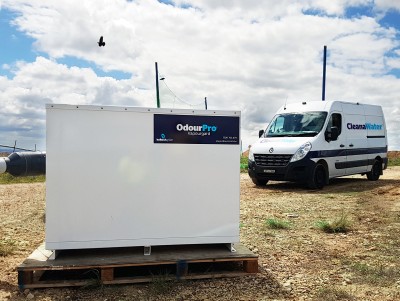
Vapour systems
VapourGard systems disperse neutralising vapour into the air to treat odorous gases. Using advanced vapour-phase technology, they provide continuous, low-maintenance control for large indoor and outdoor areas, including landfills, pump stations, mining facilities, and manufacturing facilities.
-
Eliminates airborne odours 90–100%
-
Automated, low-maintenance operation
-
No water or nozzles required
-
Safe and environmentally friendly
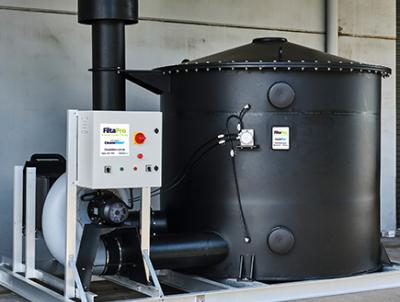
Carbon filters
Carbon filtration captures volatile organic compounds (VOCs) and hydrogen sulphide through activated carbon media. These odour control units are suited for enclosed exhausts, vents, and wastewater applications that require high-efficiency gas removal.
-
Absorbs VOCs and H₂S effectively
-
Compact, modular odour control equipment
-
Long media life and easy servicing
-
Proven for wastewater and industrial exhaust

For more information on product specs, site layout diagrams and operation manuals view our document library
Case studies
Odour compliance and measurement standards
CleanaWater helps Australian facilities stay compliant with local, state and federal environmental regulations. We align with the standards of your regulatory authorities, workplace exposure limits, and recognised measurement methods to verify odour control performance and documentation.
State odour compliance requirements
Odour management obligations vary by region, but every site must demonstrate control at its boundary and within workplace exposure limits. CleanaWater systems support compliance with licence conditions, complaint logging, and reporting.
Key compliance areas
-
Boundary odour obligations
-
Workplace exposure standards
-
Licence conditions
-
Complaint logging and response
Recognised odour measurement and assessment methods
State agencies reference approved standards to measure odour concentration, intensity, and frequency. These methods ensure consistent, regulator-recognised assessment for site monitoring and performance validation.
Commonly referenced methods
-
Field odour checks
-
Odour hour assessment
-
Dynamic olfactometry
-
Meteorology and dispersion screening
-
Regular-ready reporting
Real-world insights from the field
Our team shares lessons from decades of odour control across Australian sites, including what works, what to monitor, and how to stay compliant.
Why do odour challenges vary so much between wastewater and landfill sites?
Wastewater networks often generate concentrated hydrogen sulphide (H₂S), while landfill odours have a much broader range of potential odourous gases, and though they will still generate some H₂S, will also have higher levels of other odours such as VOCs and Mercaptans. CleanaWater tailors its vapour chemical dosing systems and carbon units to each emission source for precise results.
When to act:
When intermittent smells begin occurring, before complaints start being received. This will typically start to occur during calm evenings near lagoons or pump stations.
What measurable results can you expect after 3, 6, or 12 months?
After 3 months: Noticeable reduction in fence-line odour readings and fewer community complaints. Operators typically see improvements in on-site air quality and employee comfort.
After 6 months: Dosing and vapour systems stabilise emissions even under variable weather conditions. Monitoring data shows consistent boundary compliance, and treatment chemicals are optimised for efficiency.
After 12 months: Most facilities report sustained odour reduction (often 85–100%) and zero new regulator complaints. Preventive maintenance schedules become streamlined, cutting service time by up to 30%.
We measure these improvements using boundary monitors, complaint logs, and air quality reports aligned with EPA assessment standards.
How do site layout and environmental conditions influence odour control effectiveness?
Air movement, humidity, and topography affect how neutralisers disperse. Our engineers study wind direction, tank placement, and obstacle layout to position vapour lines and nozzles for maximum coverage. Sites with frequent calm weather benefit from timed release cycles, while high-humidity sites need stronger dispersion airflow. Each system is commissioned to match these variables for reliable results year-round.
How long does odour control installation take, and what does the process involve?
Most odour control systems are built and delivered within 6–7 weeks, followed by 3–5 days of installation and commissioning. Our technicians manage every stage, setup, calibration, and compliance verification to integrate seamlessly with your monitoring or SCADA systems. This approach minimises downtime and ensures accurate performance from day one.
What usually causes sudden odour spikes?
Odour spikes usually occur during waste agitation, low wind speeds, or flow surges in wastewater systems. Our automatic vapour and dosing systems adjust output during these conditions to stabilise neutralisation rates. We also recommend proactive checks on filters, dosing agents, and extraction points before seasonal temperature changes to prevent sudden odour releases.
What are the first signs that odour problems may be developing?
We monitor for patterns that suggest declining control, like more frequent neighbour complaints, stronger odours at specific wind directions, or increased chemical use. Rising fence-line odour readings or employee discomfort are also early indicators. Acting early allows for calibration, replenishment, or system cleaning before odours breach the boundary.
What checks can you perform safely before calling for on-site support?
Before requesting service, our clients often resolve minor odour issues through quick visual checks. Confirm that:
-
Vapour or misting flow is uninterrupted
-
Chemical dosing tanks are filled
-
Power and control lines are active
-
No blockages are visible on vents or diffusers
If these are in order but odours persist, our service team can conduct an on-site review and system recalibration to restore performance.
How to confirm that odour control systems are performing as intended
We verify odour control success through boundary odour monitoring, complaint tracking, and regulator-approved field odour assessments. Our reports follow EPA Publication 1883 and EN 13725 standards, giving you transparent, defensible evidence of compliance. Each dataset becomes part of your ongoing odour management plan and helps identify long-term efficiency gains.
Certified for quality, safety, and environmental performance
Our operations meet ISO 9001, 14001, and 45001 standards, covering quality management, environmental responsibility, and workplace safety.

Quality Management System

Environmental Management System

Occupational Health and Safety Management System
What our clients say about working with us
I have been a plumber for over thirty years and installed many water treatment systems. CleanaWater systems are by far the best for quality and reliability. They provide excellent customer service, from sales staff right through to expert advice and technical help. Can't thank CleanaWater enough!
Iain Paterson, Multilple Trades and Maintenance
We have seen a fantastic improvement since the OdourPro VapourGard™ system was installed 3 years ago. The system mitigates the heavy odours which are released from the site, which has improved conditions for our staff and almost completely eliminated complaints from local residents and businesses
Glenn Claverie, Select Civil
The whole process was very simple, the sales and technical support was great, when needed contact was made easily for assistance during construction and the finished product works and looks fantastic, all in all working with the CleanaWater team to purchase our new Portable Wash Bay was a trouble free process
Doug Neil, Stihl Sales and Service Centre Coffs Harbour
The purchasing of our oil separator, from obtaining a quote through to delivery, was made extremely easy through CleanaWater, the staff are easy to deal with and make the whole process hassle-free, as well as supplying a quality product. I would highly recommend CleanaWater products in the future.
Bret Sheehan, Surefire Plumbing Services
The VapourGard™ system is a great alternative to the other odour suppression systems out there. The unit is easy to use and maintain, does not need a portable water source to dilute the chemical and has a low chemical usage which cuts down on cost.
Nicholas Bhugon, SITA Australia
CleanaWater have been very helpful in getting the solution ordered and out the door to us as quickly as possible. All this in the midst of supply chain issues globally. It’s nice when things still, just, work!
Tom Filipcic, FUCHS Lubricants (Australasia) Pty. Ltd.
In combination with a wide range of operational controls, we have found that complaints from our neighbours have significantly reduced since the VapourGard was installed.
Rebecca Tempest - Manager, Resource Recovery & Waste Services, Blue Mountains City Council
Meet the team
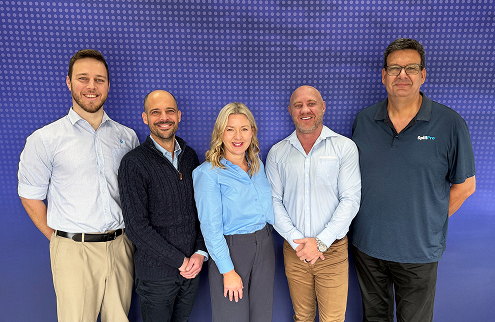
Our engineers, technicians, and project managers design tailored odour control systems and provide expert support from consultation to installation.









Explore our information centre
Explore in-depth articles, guides, and resources written by our technical specialists about odour control systems, environmental compliance, and industry innovations.
-
How to choose the right odour control solutions
Odour control is a vital yet complex service. With over 25 years of experience, trust Cleanawater's industry-leading products and support for your site. -
What is surface odour control?
Here's how surface odour control and odour neutralisers are used to minimise and naturalise odours in industrial and commercial environments. -
Busting the Biggest Myths About Odour Control
Think odour control is just about masking smells? Think again. Learn the truth behind common myths and discover how vapour-phase solutions like OdourPro VapourGard can eliminate VOCs, H₂S, and more at the source.
Frequently asked questions
How do odour control systems work?
Odour control systems use vapour, misting, dosing, or filtration technologies to treat odorous gases at or near their source. For example, vapour systems release neutralising agents into the air, surface treatments break down odorous residues, and carbon filters trap volatile compounds. Together, these systems reduce odour concentration and help maintain consistent boundary compliance.
What are industrial odour control methods?
Industrial odour control methods include vapour-phase neutralisation, surface treatment, carbon filtration, and chemical dosing. Each technology targets specific sources: vapour for diffuse odours, surface for residues, and filtration for enclosed vents. Together, they provide a comprehensive solution.
How long does it usually take to see a measurable reduction in odour levels?
Depending on the solution we’re offering, most sites notice results immediately after activation, with measurable odour reduction within minutes. Performance continues to improve as systems stabilise and dosing levels are optimised. By 3–6 months, consistent compliance and a noticeable reduction in complaints are typically achieved.
Can odour control systems be scaled or adapted if my facility expands?
Yes. Our systems are modular and can be scaled as your operations grow. We design each system with expansion in mind. Additional vapour lines, dosing points, or filtration units can be added with minimal disruption. This ensures continued efficiency and compliance for larger facilities.
What options exist for temporary or seasonal odour issues versus long-term continuous operation?
Short-term vapour or misting systems can manage temporary or seasonal odours. These systems are ideal for composting, sludge handling, or harvest periods when odour peaks occur. For ongoing operations, we recommend permanent installations with automated control for consistent year-round results.
Our locations
Newcastle
Mayfield West
NSW 2304
Melbourne
Thomastown
VIC 3074
Brisbane
Geebung
QLD 4034
Perth
Osborne Park
WA 6017
Adelaide
Wayville
SA 5034